Stroke occurs when blood flow to the brain is interrupted, affecting neurological functions and potentially causing lasting impairments
Cognitive Function
Stroke may affect memory, attention, language processing, and executive functions, requiring targeted rehabilitation approaches to support cognitive recovery
Motor Function
Weakness or paralysis on one side of the body (hemiplegia/hemiparesis) commonly occurs, affecting mobility, balance, and coordination patterns
Speech & Language
Aphasia, dysarthria, or other communication disorders may develop, impacting verbal expression, comprehension, and social interaction abilities
Activities of Daily Living
Independence in self-care, work, and leisure activities may be compromised, requiring adaptive strategies and environmental modifications
Evidence-based therapeutic modalities to support stroke recovery and functional improvement
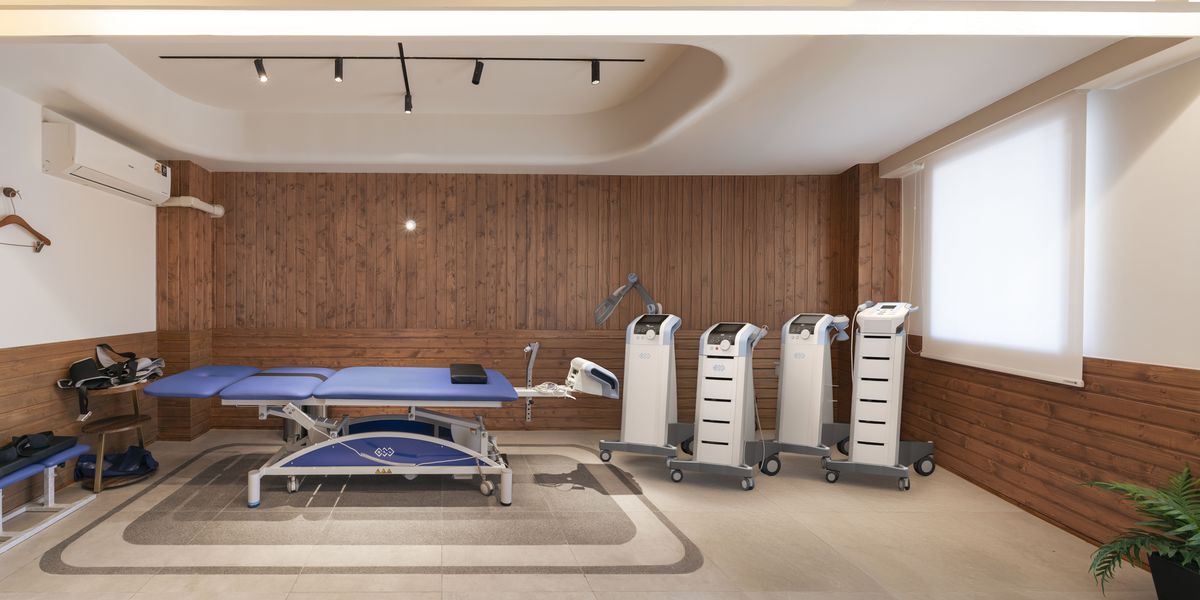
Peripheral Magnetic Stimulation (PMS)
2.5 Tesla | 150 Hz | Electromagnetic Field Therapy
Research Evidence: Studies show 67% improvement in muscle strength recovery in post-stroke patients compared to conventional electrotherapy. PMS may help stimulate neural pathways and support motor function recovery.
May help stimulate denervated muscles after stroke
Non-invasive electromagnetic field penetration
Supports motor cortex plasticity mechanisms
Can be used for spasticity management
Focused Shockwave Therapy for Spasticity
1-22 Hz | 0.1-5.0 mJ/mm² | FDA Approved
Clinical Application: Research indicates shockwave therapy may help reduce muscle spasticity and hypertonia in stroke patients through mechanical stimulation and improved circulation.
May help reduce muscle tone and spasticity
Supports improved blood circulation
Non-invasive approach for hypertonicity
May assist with pain management
High Power Laser Therapy
1064nm | 25W | Deep Tissue Penetration
Therapeutic Mechanism: High-power laser may support tissue healing and reduce inflammation in post-stroke complications such as shoulder pain and joint stiffness.
Penetrates 4-6cm for deep tissue treatment
May help reduce post-stroke pain
Supports cellular ATP production
Temperature-controlled for safety
Electrical Stimulation Therapy
32 Current Types | Functional Electrical Stimulation
Clinical Support: Functional electrical stimulation may help reactivate weakened muscles and support motor relearning in stroke rehabilitation programs.
Supports muscle re-education programs
May help prevent muscle atrophy
Russian stimulation for strength training
TENS for pain management
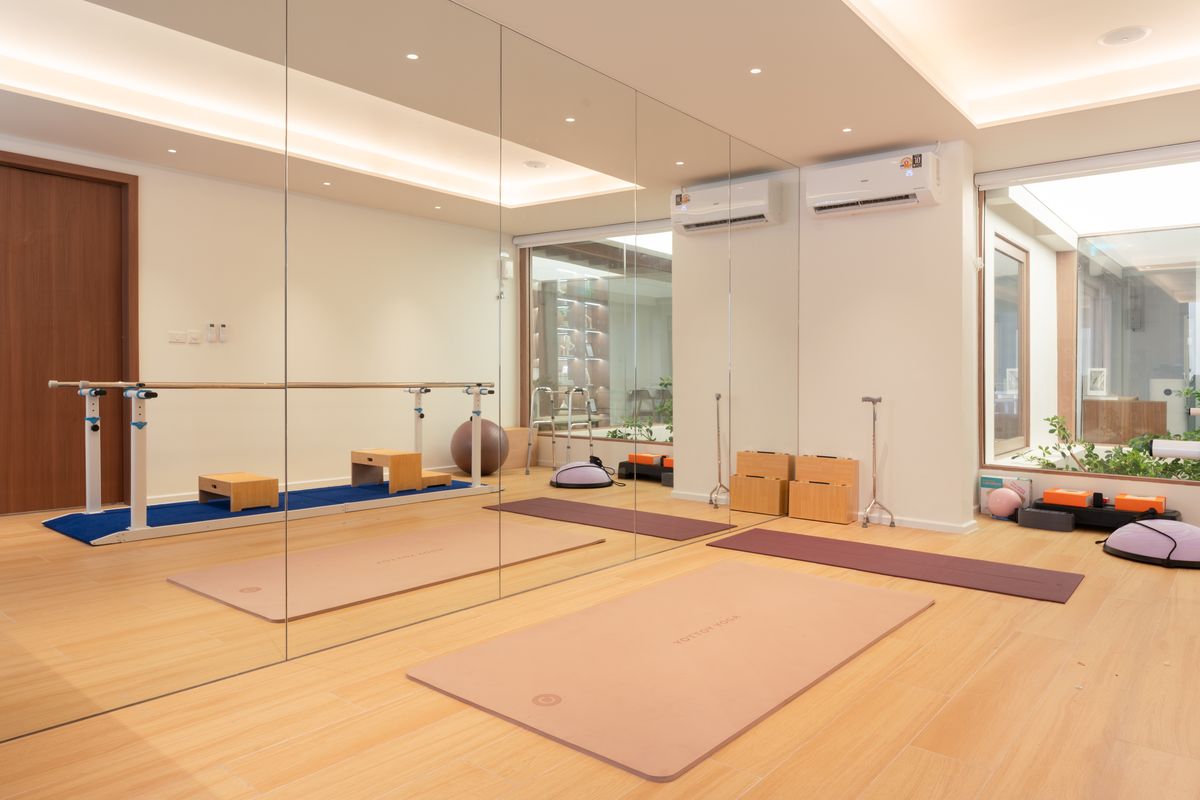
Gait Training & Balance Rehabilitation
Progressive Loading | Task-Specific Training | Safety Systems
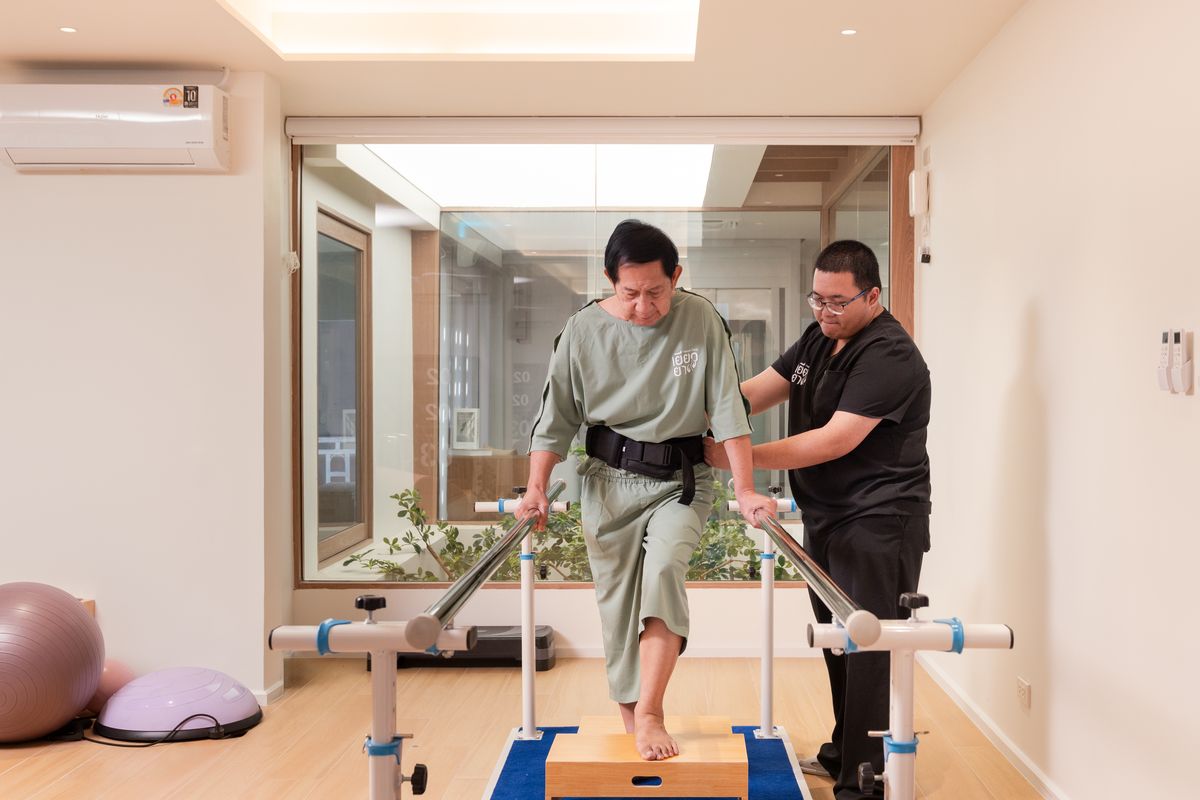
Evidence Base: Task-specific gait training may help improve walking speed, balance confidence, and functional mobility in stroke survivors.
Progressive weight-bearing protocols
Balance training with safety harness systems
Gait pattern normalization exercises
Fall prevention strategies
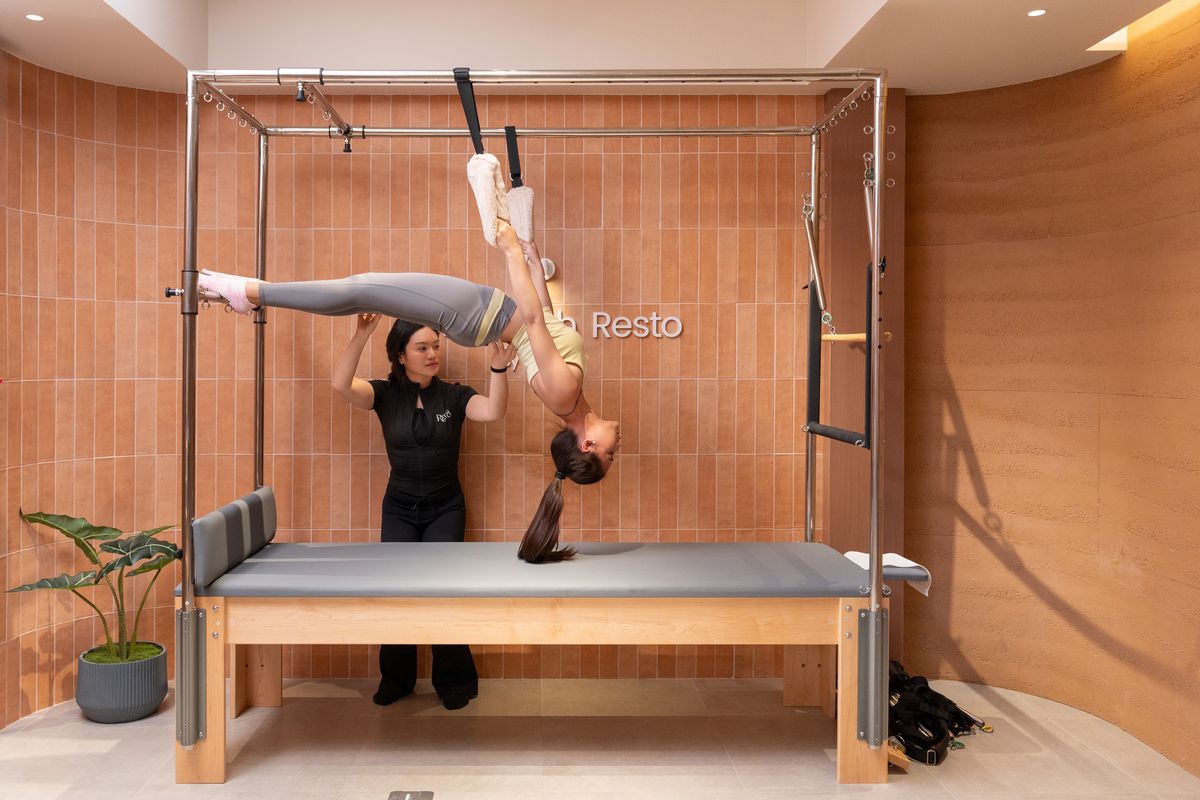
Therapeutic Exercise Programs
Strength Training | Range of Motion | Functional Tasks
Clinical Guidelines: Structured exercise programs may help improve muscle strength, joint mobility, and overall functional capacity in stroke rehabilitation.
Progressive resistance training
Joint mobilization techniques
Functional movement patterns
Cardiovascular conditioning
Occupational Therapy
ADL Training | Adaptive Equipment | Environmental Modification
Functional Approach: Occupational therapy interventions may help stroke survivors regain independence in daily activities and adapt to functional limitations.
Clinical Evidence: Intensive speech therapy may help improve communication abilities and swallowing function in stroke patients with aphasia or dysarthria.
Language comprehension training
Speech production exercises
Swallowing safety assessment
Alternative communication strategies
Cognitive Rehabilitation
Memory Training | Attention Therapy | Executive Function
Neuroplasticity Support: Cognitive rehabilitation programs may help support brain plasticity and improve cognitive functions affected by stroke.
Memory enhancement strategies
Attention and concentration training
Problem-solving skill development
Computer-assisted cognitive therapy
Psychological Support
Depression Screening | Anxiety Management | Family Counseling
Holistic Care: Psychological support may help address emotional adjustment challenges and improve overall rehabilitation outcomes in stroke survivors.
Our specialized stroke rehabilitation team is ready to develop a comprehensive treatment plan tailored to your specific needs. Early intervention and multidisciplinary care may support optimal recovery outcomes.