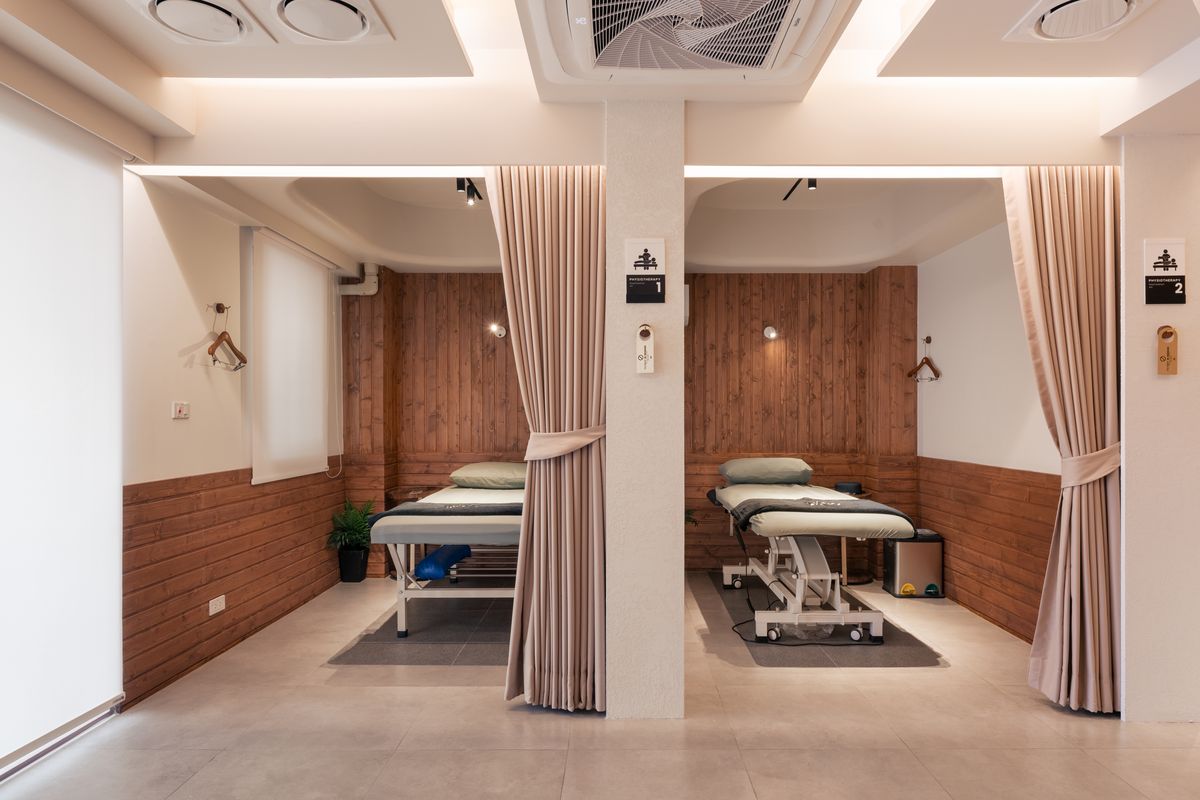
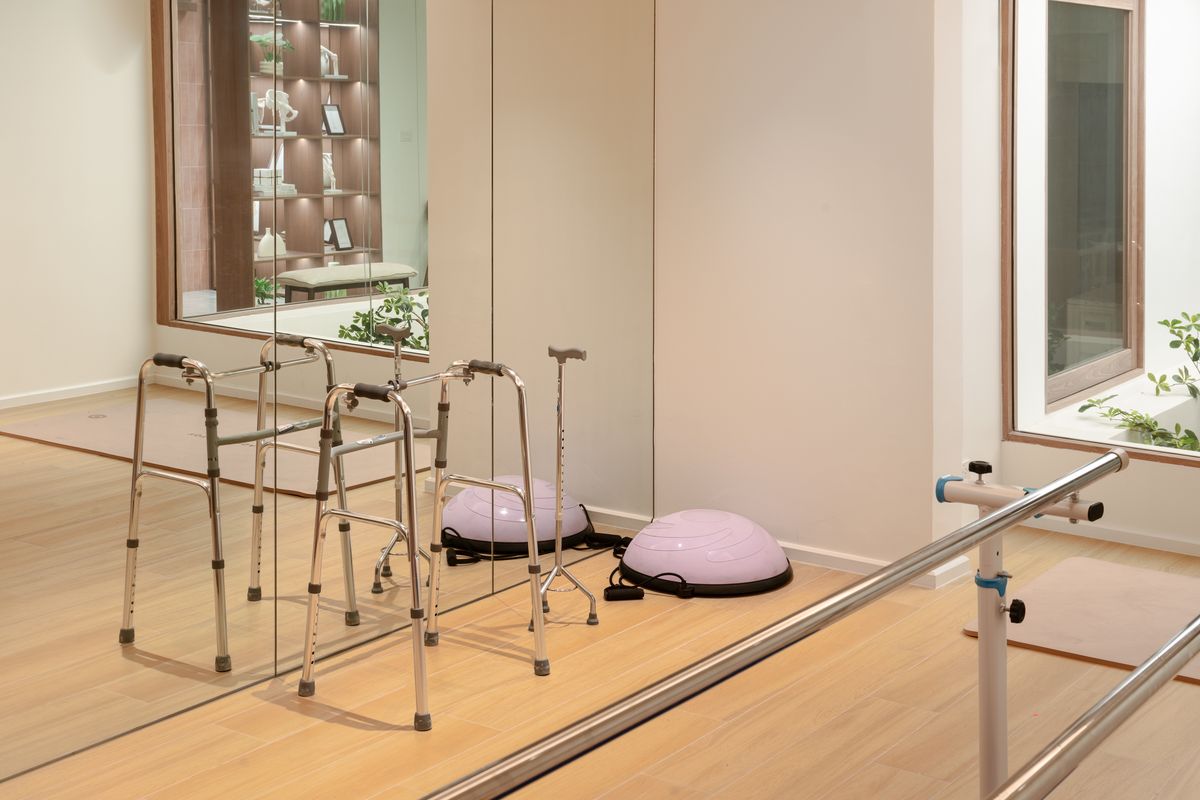
Our clinic utilizes FDA-approved equipment and research-supported therapeutic approaches
Focused Shockwave Therapy
Frequency: 1-22 Hz | Energy: 0.1-5.0 mJ/mm² | FDA Approved
Research Support: Clinical studies demonstrate focused shockwave therapy may help reduce myofascial pain and improve tissue regeneration in 70-85% of treated cases.
May help stimulate cellular repair mechanisms
Supports tissue remodeling processes
Non-invasive approach with minimal side effects
Treatment duration: 20-30 minutes per session
High Power Laser (HPL)
Wavelength: 1064nm | Power: Up to 25W | Class IV Medical Device
Clinical Evidence: Systematic reviews indicate that high-power laser therapy may support pain reduction and tissue healing in musculoskeletal conditions.
Penetrates 4-6cm into deep tissues
May help reduce inflammatory responses
Supports cellular ATP production
Temperature-controlled for patient safety
Combined Electrotherapy & Ultrasound
32 Current Types | Dual 1&3 MHz | Advanced Technology
Mechanism: Combined electrotherapy and ultrasound may help reduce pain and inflammation in muscle and joint conditions while supporting nerve and muscle stimulation.
32 electrical current patterns including TENS, Russian stimulation
Simultaneous or separate treatment modes
Deep tissue heating with ultrasound
Class II safety standard certification
Peripheral Magnetic Stimulation (PMS)
Up to 2.5 Tesla | Frequency up to 150 Hz | Touch Screen Interface
Research Evidence: Studies show 67% improvement in muscle strength recovery and greater mobility restoration compared to conventional electrotherapy in joint contracture cases.
Electromagnetic field depolarizes nerves and muscles
Penetrates all tissues non-invasively
Focused field applicator for targeted treatment
Effective for denervated muscle treatment
Therapeutic Exercise Prescription
Progressive Loading | Functional Movement | Home Program Development
Evidence Support: Structured exercise interventions may help improve muscle endurance, strength, and postural control in office workers with neck-shoulder symptoms.
Deep cervical flexor strengthening
Scapular stabilization exercises
Cervical endurance training protocols
Workplace-specific movement patterns
Comprehensive Assessment
Clinical Evaluation | Movement Analysis | Postural Screening
Clinical Approach: Thorough evaluation helps identify specific dysfunction patterns and guides treatment selection for optimal outcomes.
Advanced Features: Combined laser and ultrasound therapy with automatic parameter recalculation and therapeutic encyclopedia for evidence-based protocols.
Large selection of laser therapy applicators
HandsFree Sono applicator technology
Preset protocols for laser acupuncture
Portable and battery-operated options
High Intensity Laser Therapy
Scanning System | Thermal Perception | 2-Step Protocol
Clinical Research: HILT shows statistically significant decrease in VAS pain scores and enables prompt analgesic effects in treatment according to clinical studies.
2-step therapy: Analgesia followed by Biostimulation
Operator-free therapy with scanning system
Body condition screen for parameter adjustment
Mechanical stimulation with shear force effects
Advanced Electrotherapy Unit
32 Current Modalities | Touch Screen Interface | Smart Programs
Technical Specifications: Comprehensive electrotherapy system supporting multiple current types from TENS to Russian stimulation for diverse clinical applications.
Clinical Features: Advanced laser therapy units offer multiple therapy applicators with automatic parameter recalculation and preset protocols for targeted treatment approaches.
Color touch screen operation interface
Therapeutic encyclopedia with preset protocols
Laser acupuncture protocols available
Heated ultrasound heads for enhanced therapy
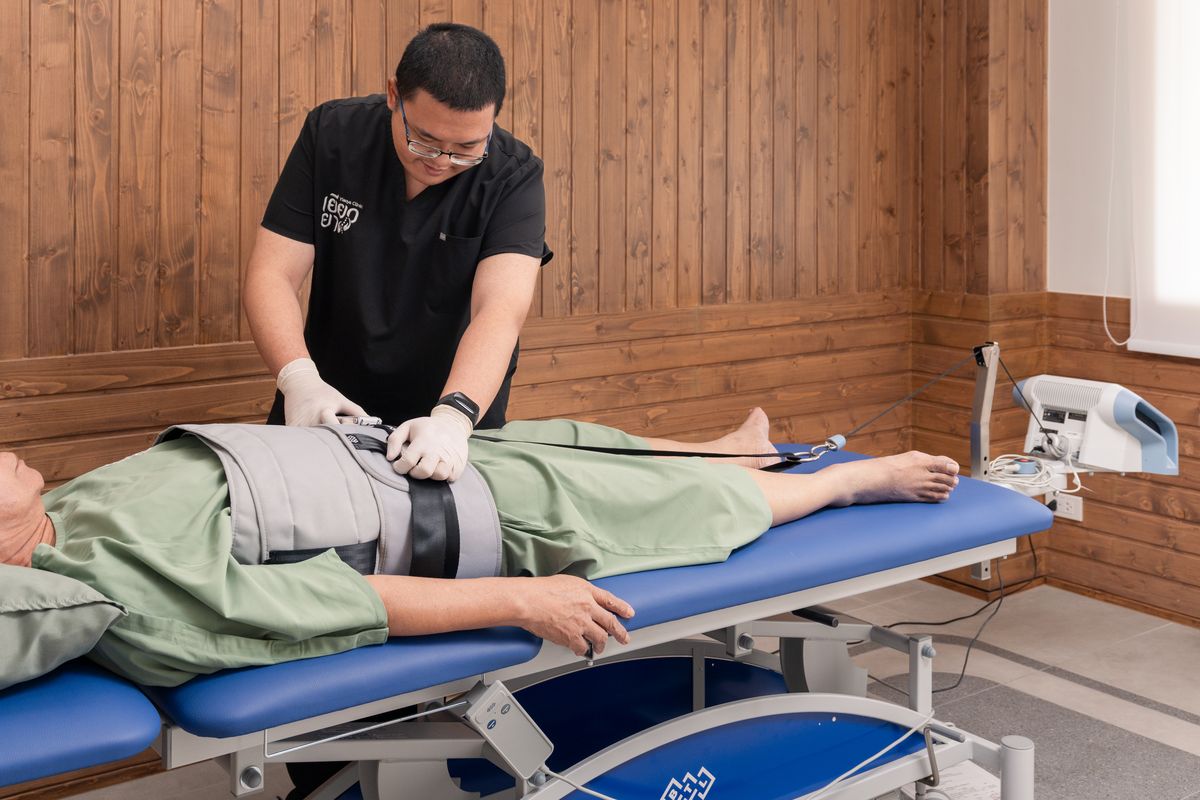
Traction Therapy
Computer-Controlled | Variable Force Application | Cervical & Lumbar
Clinical Application: Controlled traction may help reduce intradiscal pressure and support symptom relief in cervical and lumbar spine conditions according to clinical studies.
Clinical Guidelines: Manual joint mobilization may help improve range of motion and reduce joint stiffness in cervical and thoracic segments according to physiotherapy guidelines.
Cervical facet joint mobilization
Thoracic spine manipulation techniques
Costovertebral joint mobilization
Progressive grading system for safety
Soft Tissue Manual Therapy
Myofascial Release | Trigger Point Therapy | Deep Tissue Techniques
Research Support: Manual soft tissue techniques may help reduce muscle tension and improve tissue extensibility in neck and shoulder regions.
Myofascial release for upper trapezius
Trigger point deactivation techniques
Cross-friction massage for tendon health
Lymphatic drainage for swelling reduction
Postural Correction & Re-education
Movement Pattern Training | Proprioceptive Enhancement | Body Awareness
Clinical Approach: Postural re-education combined with manual therapy may help address underlying biomechanical dysfunctions contributing to office syndrome.
Prevention Focus: Ergonomic interventions combined with patient education may help reduce symptom recurrence and support long-term management of office syndrome.
Clinical Application: Neural mobilization techniques may help address nerve sensitivity and improve neural tissue mobility in cases with radiating symptoms.
Median nerve mobilization techniques
Ulnar nerve gliding exercises
Brachial plexus tension testing
Progressive neural loading protocols
Dry Needling & Acupuncture
Trigger Point Release | Traditional Points | Modern Techniques
Evidence Base: Research suggests dry needling and acupuncture may help reduce muscle tension and pain in myofascial pain syndrome.
Direct trigger point needling
Traditional acupuncture point selection
Electroacupuncture options available
Integrated with manual therapy approaches
วิธีการรักษาที่มีหลักฐานทางการแพทย์รองรับ
คลินิกของเราใช้เครื่องมือที่ได้มาตรฐาน FDA และวิธีการรักษาที่มีงานวิจัยรองรับ
การบำบัดด้วยคลื่นกระแทก
ความถี่: 1-22 Hz | พลังงาน: 0.1-5.0 mJ/mm² | รับรองจาก FDA
Our experienced physiotherapists and medical professionals are ready to help you develop a personalized treatment plan. Early intervention may support better long-term outcomes.